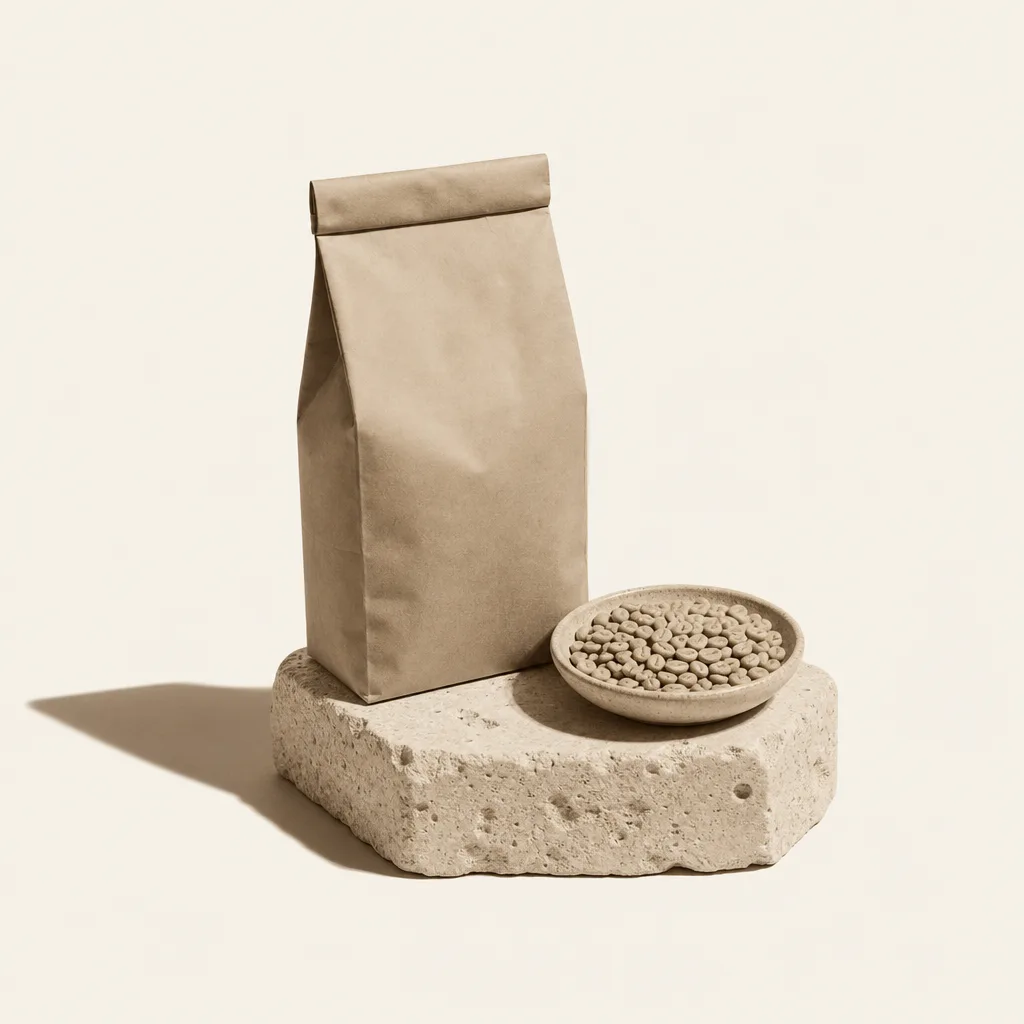
Yirgacheffe
Jasmine, bergamot, dried apricot.
1,950 m · Washed · Gedeo Zone, Ethiopia
Light roast
We have bought coffee the same way since 2019: three lots, each from a place we can name, each kept only as long as it is at its best. A coffee leaves the list when the harvest behind it does — not when a season asks it to.
The roaster runs on Tuesday and Thursday, and every order ships within forty-eight hours of the roast that filled it. A roast date is a fact, so we print it rather than decorate it.
Jasmine, bergamot, dried apricot.
1,950 m · Washed · Gedeo Zone, Ethiopia
Light roast
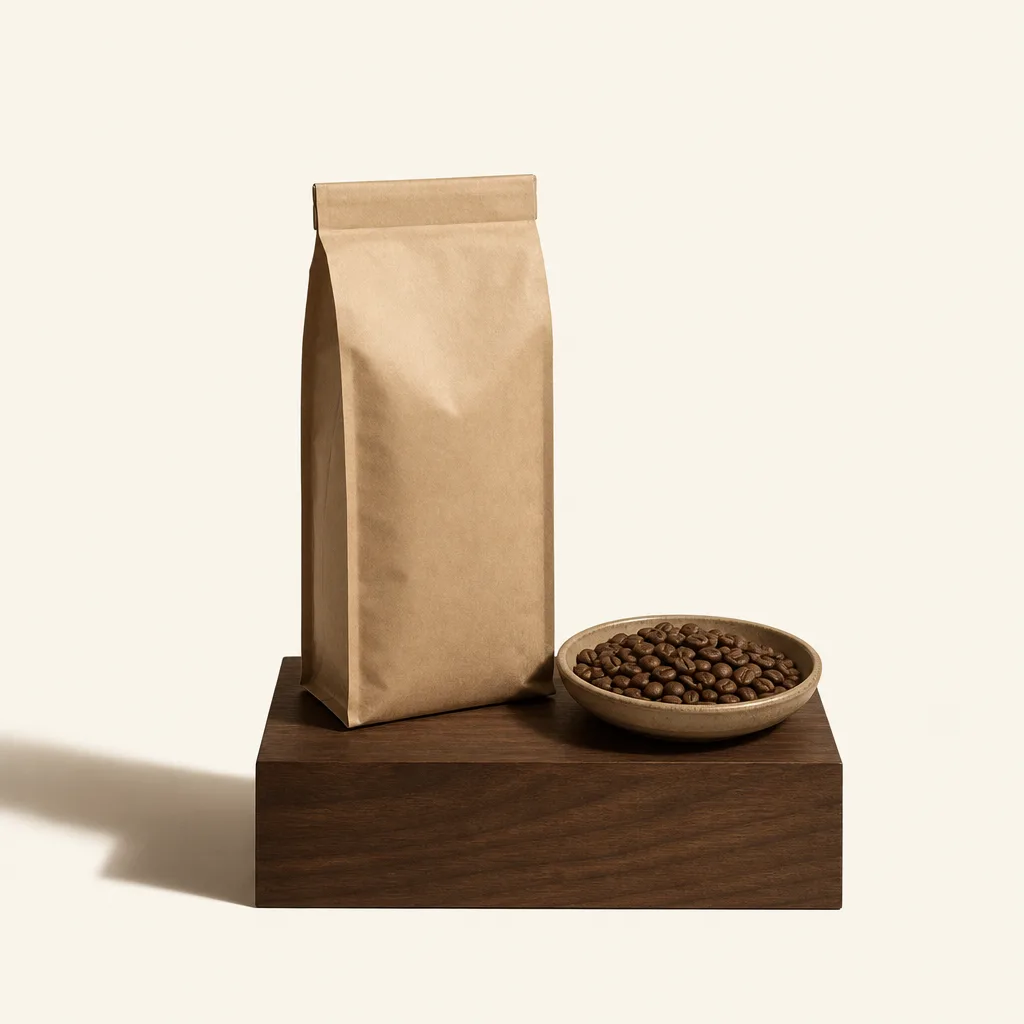
Caramel, red plum, cocoa nib.
1,700 m · Washed · Huila, Colombia
Medium roast
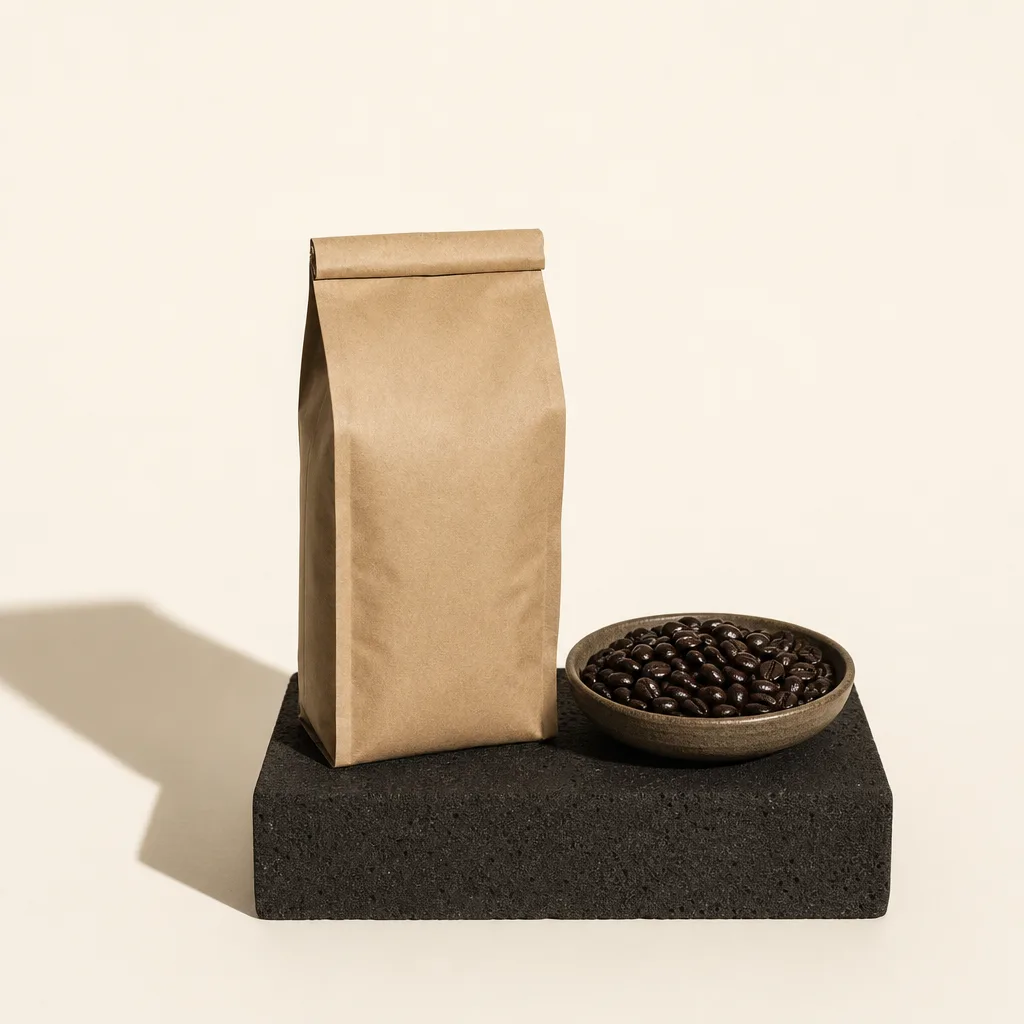
Dark chocolate, cedar, molasses.
1,400 m · Wet-hulled · Sumatra highlands, Indonesia
Dark roast
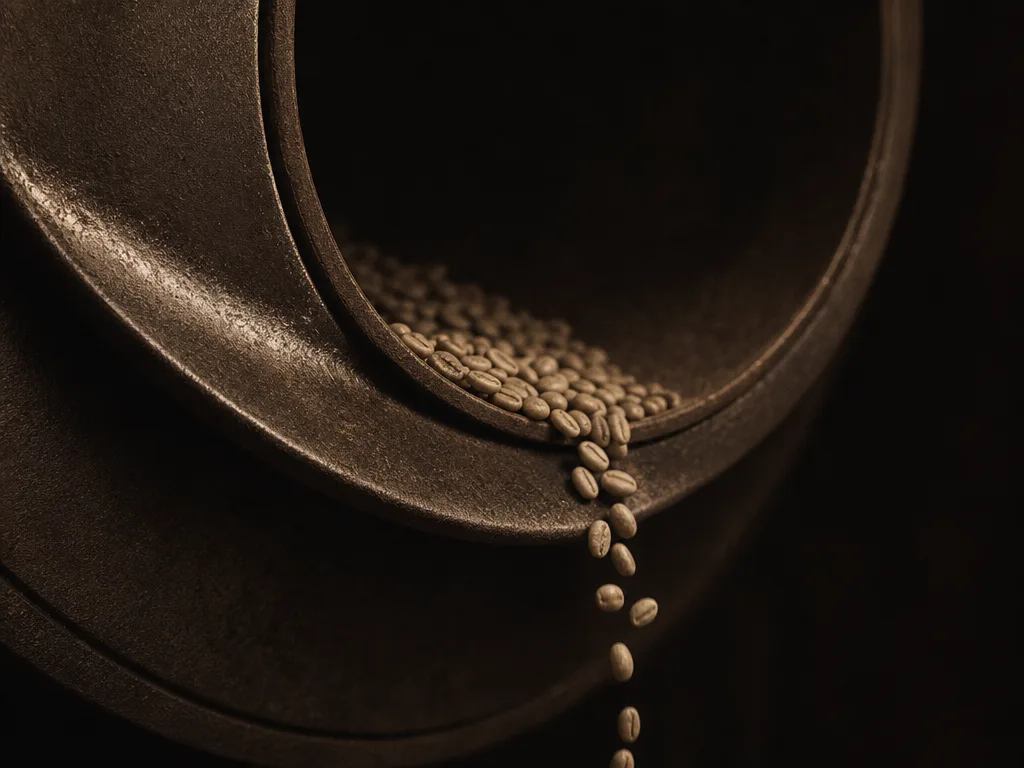
The drum is loaded by hand and read by ear. First crack is the only alarm we keep: the moment the bean opens, the profile is already decided, and everything after it is arithmetic. Each batch is logged — charge, turn, crack, drop — and the log travels with the bag.